Have you ever written “til tomorrow” and wondered if it should actually be “till tomorrow”? Many English speakers get confused by these two spellings because both appear in everyday writing. You may see til in text messages, social media posts, and casual conversations, while till often appears in books, news articles, and formal writing.
The confusion comes from the fact that both words relate to the meaning “up to a certain time.” Some people assume that till is simply a shortened form of until, while others believe til is the correct abbreviation. The truth is more interesting.
In this guide, you’ll learn the difference between til and till, their history, usage rules, common mistakes, and which spelling is best for different audiences. Whether you’re writing an email, article, social media post, or business document, this article will help you choose the right form with confidence.
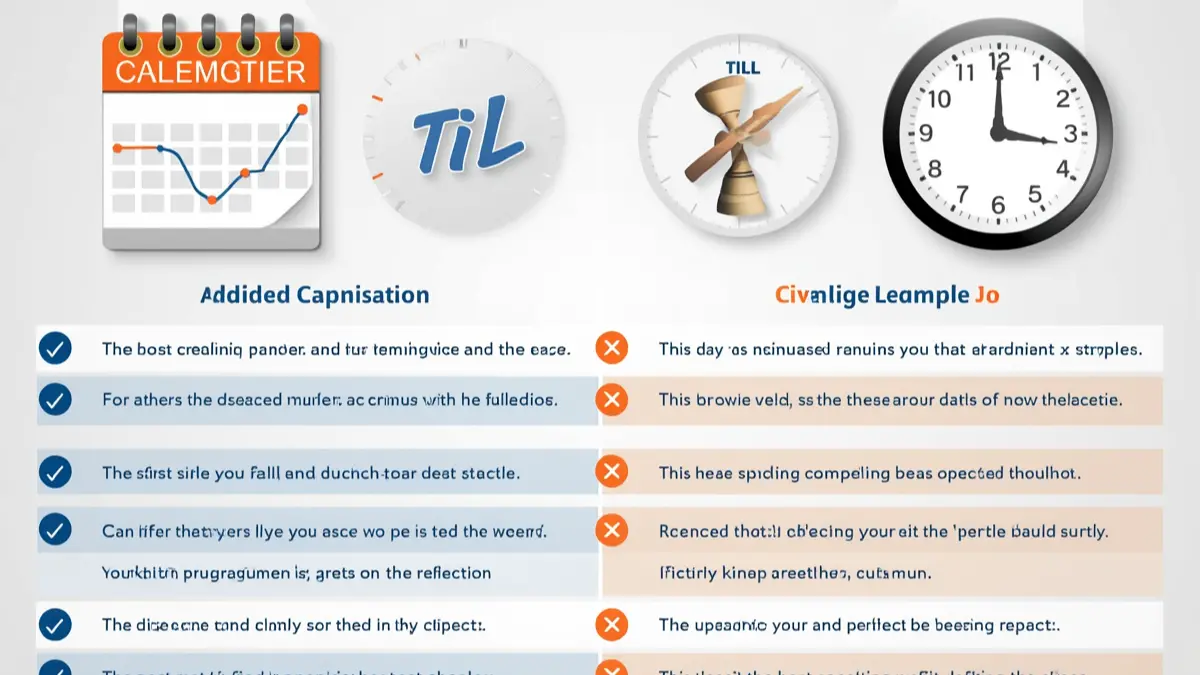
Til or Till – Quick Answer
Till is the standard and correct English word meaning “up to” or “until.”
Til is an informal shortened version that appears mainly in casual writing.
Examples
✅ I will stay here till noon.
✅ The store is open till midnight.
✅ See you til later. (informal)
✅ Waiting til Friday. (casual social media style)
For formal and professional writing, till is usually the safer choice.
Read more: 5 Letter Word Ending in OR: Meaning and Usage Guide
The Origin of Til or Till
Many people think till came from shortening until, but history shows the opposite.
The word till is very old. It existed in Old English long before until became common. Over time, speakers began using until, which combines “un” and “till.”
Because of this history, till is not an abbreviation. It is a complete word on its own.
The spelling til appeared much later as an informal shortening. Some writers also use ’til, with an apostrophe, to show that letters have been omitted from until.
Read more: Whomever or Whomsoever: When to Use Each Correctly?
Timeline
| Word | Historical Status |
| Till | Original ancient English word |
| Until | Later development |
| ‘Til | Shortened form of until |
| Til | Modern informal spelling |
This explains why many style guides prefer till over til.
British English vs American English Spelling
Both British and American English recognize till.
The spelling til appears in both regions but is considered informal.
Comparison Table
| Usage | British English | American English |
| Till | Common and accepted | Common and accepted |
| Til | Informal | Informal |
| ‘Til | Less common | Less common |
| Formal writing | Prefer till | Prefer till |
| Casual writing | Til sometimes used | Til sometimes used |
Examples
British English
- The office is open till 5 p.m.
- Wait till tomorrow.
American English
- Stay till the meeting ends.
- I’ll text you til later. (casual)
In both regions, till remains the standard form.
Which Spelling Should You Use?
The best choice depends on your audience.
Use “Till” If:
- Writing academic papers
- Creating business documents
- Sending professional emails
- Publishing articles
- Writing news content
Use “Til” If:
- Posting on social media
- Sending casual texts
- Writing informal messages
- Creating conversational content
Audience Guide
| Audience | Recommended Spelling |
| United States | Till |
| United Kingdom | Till |
| Canada | Till |
| Australia | Till |
| Global audience | Till |
| Casual social media | Til or till |
If you’re unsure, choose till.
Common Mistakes with Til or Till
Many writers make these errors.
Mistake 1: Thinking Till Is Incorrect
❌ I should use until because till is wrong.
✅ Till is a correct English word.
Mistake 2: Using Til in Formal Documents
❌ The contract remains valid til December 31.
✅ The contract remains valid till December 31.
Mistake 3: Confusing Til and ‘Til
❌ Til is always the official abbreviation.
✅ Some style guides prefer ’til because it represents omitted letters from until.
Mistake 4: Mixing Styles
❌ The report is due til Friday, and all formal standards apply.
✅ The report is due till Friday.
Consistency improves readability.
Til or Till in Everyday Examples
Here is how these words appear in different situations.
Formal
Please submit your application till Friday.
Informal
I’ll be busy til lunch.
News Writing
The road closure will remain in effect till next week.
Social Media
Counting down til vacation!
Business Writing
Employees may work remotely till the project is completed.
Everyday Conversation
Wait till you see this!
I’ll be here til later.
Til or Till – Google Trends & Usage Data
Search behavior shows that many people look up til or till because they are unsure which spelling is correct.
General Usage Patterns
| Country | More Common Form |
| United States | Till |
| United Kingdom | Till |
| Canada | Till |
| Australia | Till |
| Social Media Worldwide | Til often appears |
Context-Based Usage
| Context | Preferred Form |
| Formal writing | Till |
| Academic writing | Till |
| Journalism | Till |
| Business communication | Till |
| Text messaging | Til |
| Social media | Til |
The popularity of til has increased because of texting and social media, but till remains the standard spelling in professional English.
Comparison Table: Til vs Till
| Feature | Til | Till |
| Meaning | Until | Until |
| Formality | Informal | Standard |
| Dictionary acceptance | Limited informal usage | Fully accepted |
| Academic writing | Not recommended | Recommended |
| Business writing | Not recommended | Recommended |
| Social media | Common | Common |
| Historical form | Newer | Older |
FAQs About Til or Till
1. Is til or till correct?
Both exist, but till is the standard and widely accepted spelling.
2. Is it still short for until?
No. Historically, till came before until.
3. Can I use til in professional writing?
It is better to use till in professional and formal documents.
4. What does til mean?
Til is an informal shortened form meaning until.
5. Is ’til more correct than til?
Some style guides prefer ’til because it reflects omitted letters from until.
6. Do Americans use till?
Yes. Americans commonly use till in both speech and writing.
7. Which spelling should students use?
Students should generally use till in essays, reports, and academic assignments.
Conclusion
The debate between til or till is common because both spellings appear in modern English. However, the safest and most widely accepted choice is till. It is a complete English word with a long history that predates until itself. This makes it suitable for formal writing, academic work, business communication, journalism, and professional content.
The spelling til has become popular through text messages, social media, and casual online conversations. While many readers understand it, some editors and style guides still consider it informal. Because of that, it may not be the best option when clarity and professionalism matter.
If your goal is to write for a broad audience and avoid mistakes, choose till. Reserve til for relaxed and conversational settings. By understanding the history, usage rules, and audience expectations, you can confidently select the right spelling every time and improve the quality of your writing.

SwiftHarbor is a dedicated English professor, language researcher, and the founder of SpellCompare.com. With years of academic experience in English grammar, vocabulary development, and linguistic comparison, SwiftHarbor specializes in simplifying complex language rules into clear, practical explanations.
As an expert in word usage, spelling differences, and commonly confused terms, SwiftHarbor has helped thousands of learners improve their writing accuracy and communication skills. Through SpellCompare.com, he provides detailed comparisons, easy examples, and research-based insights that make English learning accessible for students, writers, and professionals worldwide.
Known for a clear teaching style and structured explanations, SwiftHarbor focuses on eliminating confusion between similar words, improving grammar confidence, and promoting precise communication. His mission is simple: to make English easier, clearer, and more powerful for everyone.