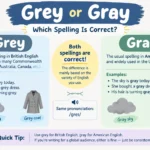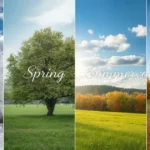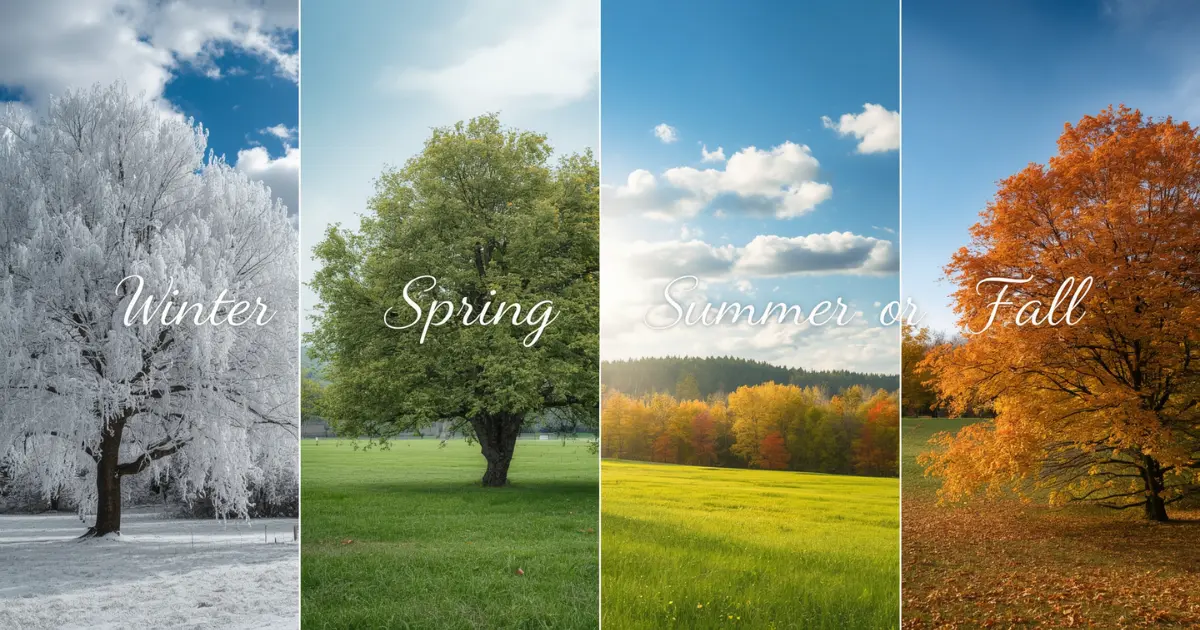
Have you ever wondered why people say “winter, spring, summer, and fall” in one place but “winter, spring, summer, and autumn” somewhere else? The answer is simpler than it first appears. Winter, spring, summer, and fall are the four familiar seasons of the year in American English. In British English and much of Commonwealth English, autumn is more common than fall. (Cambridge Dictionary)
People also search for winter spring summer or fall because it is the exact title of a 2024 American romantic drama film. The phrase has therefore become a search query with both a language meaning and a movie-related meaning. The film follows two teenagers who meet in winter and reconnect across the four seasons. (Wikipedia)
If you are writing an article, email, school assignment, social media post, or travel guide, knowing the difference between fall and autumn can help you choose the right word for your audience. This guide explains the phrase, its history, spelling differences, common mistakes, examples, and search usage in simple English.
Winter Spring Summer or Fall – Quick Answer
Winter, spring, summer, and fall are the four seasons of the year.
- Winter – the coldest season.
- Spring – the season associated with new growth and warmer weather.
- Summer – the warmest season in many temperate regions.
- Fall – another name for autumn, especially common in American English.
In British English, the usual sequence is:
winter → spring → summer → autumn
In American English, it is commonly:
winter → spring → summer → fall
Cambridge uses winter, spring, summer, or autumn in its British English definition and winter, spring, summer, or fall in its American English definition. (Cambridge Dictionary)
Simple examples
American English:
“I love winter, spring, summer, and fall.”
British English:
“I love winter, spring, summer, and autumn.”
Both sentences are correct.
One important point: “winter spring summer or fall” is not itself a special grammar rule. It is simply a sequence of season names, and it is also the exact title of a movie.
The Origin of Winter Spring Summer or Fall
The four season names have different histories.
Winter
Winter comes from Old English winter and is related to the Proto-Germanic word reconstructed as wintruz. The word has been used for the cold season for many centuries. (Etymology Online)
Spring
Spring comes from an older idea of things “springing” or growing. Plants begin to rise and grow during this part of the year, which helped the word become associated with the season. The seasonal noun spring developed from expressions such as “spring of the year.” (Etymology Online)
Summer
Summer has Old English roots in sumor. It is an old Germanic word connected with the warm season. (Etymology Online)
Fall
Fall developed from the older expression “fall of the leaf.” It became a shorter name for the season in English. (Etymology Online)
Autumn
Autumn entered English through Old French from Latin autumnus. It became established in English during the late Middle Ages and later became the standard term in Britain. (Etymology Online)
So, fall and autumn are not two different seasons. They are two names for the same season.
British English vs American English Spelling
The biggest difference is the final season.
| Season | American English | British English |
| 1 | Winter | Winter |
| 2 | Spring | Spring |
| 3 | Summer | Summer |
| 4 | Fall | Autumn |
The first three names are spelled the same in both varieties of English. The main vocabulary difference is fall vs autumn. (Cambridge Dictionary)
American English
American writers commonly use:
winter, spring, summer, and fall
Example:
“Summer is my favorite season, but fall is beautiful too.”
British English
British writers commonly use:
winter, spring, summer, and autumn
Example:
“Summer is my favourite season, but autumn is beautiful too.”
Notice that British English may also use favourite instead of American favorite, but that is a separate spelling difference.
Which Spelling Should You Use?
Your audience should guide your choice.
For a US audience
Use fall.
Example:
“Fall is a popular time for hiking in the United States.”
For a UK audience
Use autumn.
Example:
“Autumn is a beautiful season in Britain.”
For Australia and New Zealand
Autumn is the usual term.
For international websites
You can use both when useful:
“Fall (autumn) is a popular season for travel.”
This approach helps international readers understand the meaning without making the article feel tied to one variety of English.
For SEO writing
If your target keyword contains fall, keep fall in the title and important headings. You can naturally mention autumn in the article to capture the related vocabulary.
Common Mistakes with Winter Spring Summer or Fall
1. Thinking Fall and Autumn Are Different Seasons
They are not.
Incorrect idea:
“Fall comes after autumn.”
Correct:
“Fall and autumn are names for the same season.”
2. Using Fall Without Considering Your Audience
For an American audience:
“Fall weather is beautiful.”
For a British audience:
“Autumn weather is beautiful.”
Both are correct, but audience matters.
3. Capitalizing Season Names Unnecessarily
Season names are normally lowercase when used generally.
Incorrect:
“I love Summer.”
Correct:
“I love summer.”
However, capitalization may appear when a season is part of a formal title or name.
4. Using “Fall” as a Universal British-English Term
American English strongly favors fall for the season, while British English commonly uses autumn.
If your article targets British readers, autumn will usually sound more natural.
5. Writing “Winter, Spring, Summer or Fall” Without Context
The word or suggests a choice.
For example:
“Which season do you prefer: winter, spring, summer, or fall?”
If you are simply listing the four seasons, and is often more natural:
“The four seasons are winter, spring, summer, and fall.”
Winter Spring Summer or Fall in Everyday Examples
In Emails
American English:
“We are planning our fall meeting for October.”
British English:
“We are planning our autumn meeting for October.”
In News Writing
American style:
“Fall temperatures are expected to arrive next week.”
British style:
“Autumn temperatures are expected to arrive next week.”
On Social Media
American users may write:
“Hello, fall! 🍂”
British users may write:
“Hello, autumn! 🍂”
Hashtags also often reflect the regional choice:
#Fall #FallSeason #FallVibes
or:
#Autumn #AutumnVibes #AutumnLeaves
In Formal Writing
For an American report:
“The study was conducted during the fall season.”
For British writing:
“The study was conducted during the autumn season.”
In Travel Writing
“Each season offers a different travel experience. Winter brings snow in some regions, spring brings flowers, summer brings warmer days, and fall brings colorful leaves.”
For a British audience, you can replace fall with autumn.
Winter Spring Summer or Fall – Comparison Table
| Term | Meaning | Common US Usage | Common UK Usage |
| Winter | Cold season | Yes | Yes |
| Spring | Season after winter | Yes | Yes |
| Summer | Warm season | Yes | Yes |
| Fall | Season after summer | Very common | Less common |
| Autumn | Season after summer | Common but less preferred than fall | Very common |
Winter Spring Summer or Fall – Google Trends & Usage Data
Search interest in season-related words is naturally seasonal. People tend to search more for a season when it is approaching or currently happening in their region.
For example:
- Winter searches often increase around the colder months.
- Spring becomes more relevant as winter ends.
- Summer commonly attracts interest before and during the warm season.
- Fall/autumn often receives more attention when leaves change and the season approaches.
The exact timing depends on the country because the seasons occur at different times in the Northern and Southern Hemispheres.
There is another important factor for the exact keyword “winter spring summer or fall.” It can refer to the 2024 American movie of the same name, rather than simply the four seasons. The film premiered at the Tribeca Festival in June 2024 and later received a US release in 2025. (Wikipedia)
Google Trends measures relative search interest, not a simple worldwide count of searches. Therefore, a Trends graph can change depending on the selected country, time period, and search category.
For SEO, this means you should not treat winter spring summer or fall as only a spelling query. Search intent can include:
- The four seasons.
- The difference between fall and autumn.
- Seasonal activities.
- Seasonal vocabulary.
- The movie Winter Spring Summer or Fall.
That mixed intent is important when creating content around this keyword.
Winter Spring Summer or Fall: Common Variations
| Keyword or Phrase | Meaning |
| winter spring summer or fall | Four seasons, or the movie title |
| winter spring summer or autumn | Four seasons using the British/Commonwealth term |
| winter, spring, summer, and fall | Natural American English list |
| winter, spring, summer, and autumn | Natural British English list |
| four seasons of the year | General term |
| fall season | American English |
| autumn season | British English |
| seasons of the year | General search phrase |
| winter season | Cold season |
| spring season | Season of new growth |
| summer season | Warm season |
Why Does the Order Say Winter, Spring, Summer, or Fall?
The four seasons can be listed in different orders, but winter, spring, summer, and fall follows the normal yearly cycle in many Northern Hemisphere contexts.
A common sequence is:
Winter → Spring → Summer → Fall/Autumn → Winter
However, the actual weather experienced during these seasons depends on location.
For example, the seasons in the Northern Hemisphere occur opposite to those in the Southern Hemisphere.
Is “Winter Spring Summer or Fall” Grammatically Correct?
Yes, but it depends on how you use it.
As a simple list, you would normally write:
“Winter, spring, summer, and fall are the four seasons.”
As a question, you could write:
“Which season do you like most: winter, spring, summer, or fall?”
As a title, Winter Spring Summer or Fall works as a proper title. In fact, it is the title of a 2024 American film. (Wikipedia)
FAQs About Winter Spring Summer or Fall
1. What does “winter spring summer or fall” mean?
It can mean the four seasons of the year, especially in an American-English context. It is also the exact title of a 2024 American romantic drama film.
2. Is fall the same as autumn?
Yes. Fall and autumn refer to the same season.
3. Is fall American or British English?
Fall is especially common in American English. Autumn is more common in British English.
4. Should I write “fall” or “autumn”?
Use fall for a US audience and autumn for a UK or many Commonwealth audiences. For international readers, you can mention both.
5. Should seasons be capitalized?
Usually, no. Write:
“I love summer.”
Not:
“I love Summer.”
Capitalize a season when it forms part of a proper name or title.
6. What are the four seasons?
The four commonly recognized seasons are:
winter, spring, summer, and fall/autumn.
7. Is “Winter Spring Summer or Fall” a movie?
Yes. Winter Spring Summer or Fall is a 2024 American romantic drama directed by Tiffany Paulsen. It stars Jenna Ortega and Percy Hynes White and tells a story that unfolds across four days in different seasons. (Wikipedia)
Final Advice for Using Winter Spring Summer or Fall
The phrase looks simple, but it can have more than one search meaning. If you are discussing the four seasons, remember that fall and autumn are two names for the same season.
For American readers, use:
winter, spring, summer, and fall
For British readers, use:
winter, spring, summer, and autumn
If you are targeting an international audience, mentioning both terms is often the clearest option.
And if your keyword is the exact phrase “winter spring summer or fall,” remember that it can also refer to the movie with that title. That makes the keyword different from an ordinary four-season phrase and gives it an additional entertainment-related search intent. (Wikipedia)
Conclusion
Winter spring summer or fall can refer to the four seasons, a common American-English way of naming them, or the title of a 2024 American film. For everyday English, the main language difference is between fall and autumn.
American English normally uses fall, while British English commonly uses autumn. Winter, spring, and summer remain the same in both varieties. When writing for a specific audience, match your vocabulary to that audience.
Use fall for US-focused content and autumn for British-focused content. For global readers, writing fall (autumn) can remove confusion. Also remember that season names are normally lowercase unless they appear in a proper title or name.
Finally, if you are targeting the exact keyword winter spring summer or fall, consider its movie-related meaning as well as its seasonal meaning. Understanding both meanings helps you create clearer, more useful, and more search-focused content.

SwiftHarbor is a dedicated English professor, language researcher, and the founder of SpellCompare.com. With years of academic experience in English grammar, vocabulary development, and linguistic comparison, SwiftHarbor specializes in simplifying complex language rules into clear, practical explanations.
As an expert in word usage, spelling differences, and commonly confused terms, SwiftHarbor has helped thousands of learners improve their writing accuracy and communication skills. Through SpellCompare.com, he provides detailed comparisons, easy examples, and research-based insights that make English learning accessible for students, writers, and professionals worldwide.
Known for a clear teaching style and structured explanations, SwiftHarbor focuses on eliminating confusion between similar words, improving grammar confidence, and promoting precise communication. His mission is simple: to make English easier, clearer, and more powerful for everyone.