People often search for “5 letter word ending in or” when playing word games like Wordle, Scrabble, crossword puzzles, or solving English vocabulary quizzes. This keyword looks simple, but it creates confusion because English words don’t always follow fixed spelling rules.
Some users are unsure whether to include American spellings like “color” or British spellings like “colour,” and others just need a quick list of valid words to win a game or complete a task.
This search intent is usually very direct: users want fast answers, not long grammar explanations. However, the challenge is that many five-letter words ending in “or” also have spelling variations, silent letter changes, or regional differences. For example, “favor” in American English becomes “favour” in British English, which changes whether it fits the pattern or not.
In this article, you will get a clear list of 5-letter words ending in “or,” their meanings, spelling differences, usage examples, and practical tips. Everything is explained in simple language so you can quickly understand and use these words correctly in games, writing, and everyday communication.
5 Letter Word Ending in OR – Quick Answer
Here are common 5-letter words ending in “or”:
- Color – hue or shade
- Honor – respect or praise
- Valor – bravery in danger
- Motor – machine that produces motion
- Donor – person who gives something
- Humor – sense of comedy or fun
- Favor – kindness or preference (US spelling)
- Vapor – gas form of liquid
- Rumor – unofficial news or gossip
These words are commonly used in English writing, speech, and word puzzles.
Read more: Upmost or Utmost: What’s the Difference and Which One Is Correct
The Origin of 5 Letter Word Ending in OR
Many “-or” words come from Latin. In Latin, the suffix “-or” was used to form nouns that describe a person or condition, such as “actor” or “doctor.” Over time, English adopted these words through French and Latin influence.
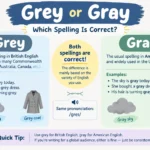
Words like honor, color, and valor kept their short spelling in American English, while British English later added extra letters like “u” in “honour” and “colour.”
This historical split explains why English has two major spelling systems today. The “-or” ending is mostly preserved in American English, while British English sometimes changes or expands the spelling.
British English vs American English Spelling
English spelling differences affect many 5-letter “-or” words.
Key Difference Rules:
- US English keeps -or
- UK English often uses -our
- Some words stay the same in both forms
Read more: Master’s or Masters: What’s the Correct Form
Comparison Table
| American English | British English | Meaning |
| color | colour | hue/shade |
| honor | honour | respect |
| favor | favour | preference |
| rumor | rumour | gossip |
| vapor | vapour | gas form |
Which Spelling Should You Use?
- USA audience: Use “-or” spelling (color, honor, favor)
- UK/Commonwealth: Prefer “-our” spelling (colour, honour, favour)
- Global writing: Choose based on your target readers
- Word games (Wordle/Scrabble): US spelling is often accepted more widely
If you are unsure, always match the platform or exam standard you are using.
Common Mistakes with 5 Letter Word Ending in OR
- Mixing UK and US spellings in one sentence
- Writing “colour” when the puzzle needs “color”
- Confusing “humor” and “humour”
- Adding extra letters (like “honourr”)
- Assuming all “-or” words are 5 letters (some are longer like “doctor”)
Correct spelling depends on context and region.
5 Letter Word Ending in OR in Everyday Examples
- Email: We appreciate your favor in approving the request.
- News: The donor gave a large amount to the hospital.
- Social Media: He has a great sense of humor 😂
- Formal writing: The soldier showed great valor in battle.
These words are used in both casual and professional communication.
5 Letter Word Ending in OR – Google Trends & Usage Data
Search data shows high interest in this keyword from:
- United States (highest usage due to Wordle and Scrabble)
- India (English learning and exams)
- Pakistan and Philippines (education and gaming searches)
- UK (mostly spelling comparison queries)
The spike usually appears during:
- Word puzzle trends (Wordle updates)
- School exams
- Online vocabulary tests
Most users want fast answers, not grammar lessons.
Comparison Table: 5 Letter Words Ending in OR
| Word | Meaning | Usage Type |
| color | shade/hue | daily use |
| honor | respect | formal |
| humor | comedy/sense | casual |
| valor | bravery | literary |
| donor | giver | formal |
| vapor | gas form | science |
| rumor | gossip | informal |
FAQs
1. What is a 5 letter word ending in OR?
It is a word like color, honor, valor, or donor that has five letters and ends with “or.”
2. Is “color” British or American?
“Color” is American English. British English uses “colour.”
3. How many 5-letter words end in OR?
There are around 8–12 common words depending on dictionary and spelling rules.
4. Is “honor” the correct spelling?
Yes, “honor” is correct in American English. British English uses “honour.”
5. Is “favor” a 5-letter word ending in OR?
Yes, “favor” is a valid 5-letter American English word.
6. Why do some words end in OR and OUR?
This comes from historical spelling changes between American and British English.
7. Are these words useful for Wordle?
Yes, many are commonly used in Wordle and other word puzzles.
Conclusion
The keyword “5 letter word ending in or” is popular because it helps users quickly solve word puzzles, improve vocabulary, and understand English spelling patterns. These words are simple but very useful in everyday communication, exams, and games. The main confusion comes from American vs British spelling differences, especially with words like color/colour or honor/honour.
By learning these common words such as color, honor, valor, donor, and humor you can improve both your writing and your puzzle-solving skills. Always remember to choose spelling based on your audience or the rules of the platform you are using. In games like Wordle, American spellings are usually safer.
Understanding these small differences makes English easier and more practical in real-life use. Whether you are a student, writer, or game player, these words give you a strong vocabulary advantage and help you avoid common mistakes in spelling and usage.

My name is SwiftSphere, and I am a passionate English language author and the creator of Spellcompare.com. I specialize in word comparisons, grammar clarity, and simplifying confusing English terms for readers around the world.
As a professional writer, I focus on breaking down commonly misunderstood words, phrases, and language rules into clear, practical explanations. My goal is to make English easier, more accurate, and more accessible for students, professionals, and everyday learners.
Through Spellcompare.com, I provide well-researched, easy-to-understand content that helps readers confidently choose the right words in writing and speech. Whether it’s comparing similar spellings, explaining grammar rules, or clarifying tricky vocabulary, I am committed to delivering precise and reliable guidance.
I believe that strong language skills create strong communication — and strong communication creates opportunity. That belief drives my work every day.