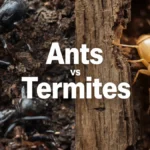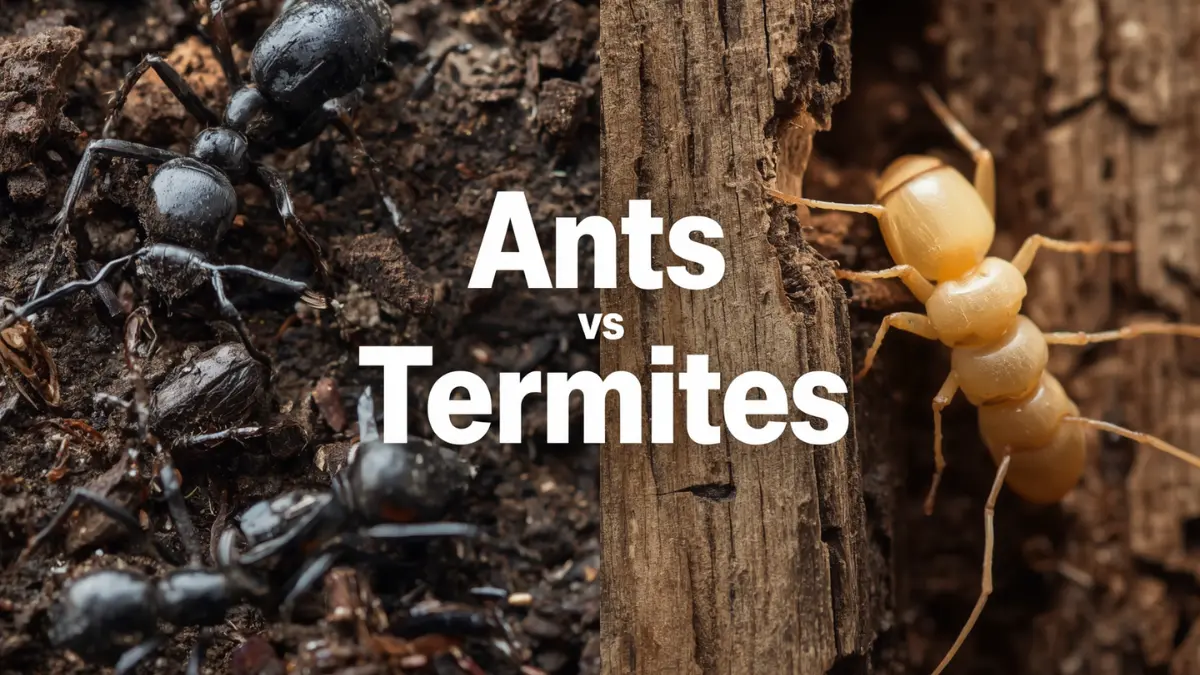
The difference between ants and termites often confuses people because both insects live in colonies, build large nests, and sometimes appear in the same environment. In rural homes, a farmer might notice tiny crawling insects in wooden beams and assume they are all the same pest.
But in reality, the difference between ants and termites is significant in biology and behavior. Understanding the difference between ants and termites helps in pest control, ecology, and even agriculture.
Imagine a wooden house in a village where silent damage is happening inside the walls. Some insects are chewing wood, while others are simply searching for food crumbs. Without knowing the difference between ants and termites, it becomes impossible to solve the problem correctly. This confusion often leads to wrong treatment methods and wasted resources.
Pronunciation
- Ants:
- US: /ænts/
- UK: /ɑːnts/
- Termites:
- US: /ˈtɜːr.maɪts/
- UK: /ˈtɜː.maɪts/
A clear understanding of their pronunciation and behavior helps avoid misidentification. Let’s now explore how these insects differ in detail.
Key Difference Between Ants and Termites
Why It Matters to Know the Difference Between Ants and Termites
Knowing the difference between ants and termites is important for farmers, homeowners, and scientists. Ants can be helpful for soil aeration and pest control, while termites can cause serious structural damage. In agriculture and construction, misidentifying them can lead to financial loss and poor pest management strategies. In society, correct identification supports environmental balance and reduces unnecessary chemical use.
Difference Between Ants and Termites (10 Key Points)
1. Body Shape
- Ants: Have a narrow, pinched waist.
- Example: Carpenter ants in wooden furniture.
- Example: Black garden ants in soil.
- Termites: Have a straight, uniform body.
- Example: Subterranean termites in soil tunnels.
- Example: Drywood termites in doors.
- Difference Between Comma and Semicolon: A Complete Guide?
2. Wings Structure
- Ants: Front wings larger than hind wings.
- Example: Flying ants during summer.
- Example: Queen ants during reproduction.
- Termites: All wings equal in size.
- Example: Swarming termites after rain.
- Example: Winged reproductives in colonies.
3. Diet
- Ants: Eat sugar, insects, and food scraps.
- Example: Ants on spilled sugar.
- Example: Ants hunting small insects.
- Termites: Eat cellulose (wood and plants).
- Example: Termites in wooden furniture.
- Example: Termites in dead trees.
- Difference Between Exothermic and Endothermic: A Guide?
4. Antennae Shape
- Ants: Elbowed antennae.
- Example: Worker ants exploring food.
- Example: Soldier ants defending colony.
- Termites: Straight, bead-like antennae.
- Example: Worker termites in tunnels.
- Example: Reproductive termites in swarms.
5. Color
- Ants: Usually black, brown, or red.
- Example: Red fire ants.
- Example: Black house ants.
- Termites: Mostly pale or white.
- Example: White subterranean termites.
- Example: Cream-colored drywood termites.
6. Nesting Behavior
- Ants: Build nests in soil or wood.
- Example: Anthills in gardens.
- Example: Tree nests in forests.
- Termites: Build mud tunnels and wooden colonies.
- Example: Mud tubes on walls.
- Example: Underground colonies.
7. Role in Ecosystem
- Ants: Helpful in cleaning and pest control.
- Example: Eating dead insects.
- Example: Spreading seeds.
- Termites: Break down dead wood.
- Example: Recycling forest material.
- Example: Decomposing fallen trees.
8. Colony Structure
- Ants: Queen, workers, soldiers.
- Example: Organized ant colony hierarchy.
- Example: Worker ants gathering food.
- Termites: King and queen both exist.
- Example: Termite royal pair.
- Example: Worker caste system.
9. Movement
- Ants: Move in visible trails.
- Example: Ant trails to sugar source.
- Example: Organized marching ants.
- Termites: Move secretly in tunnels.
- Example: Hidden wall movement.
- Example: Underground travel.
10. Damage to Humans
- Ants: Usually harmless, sometimes painful bites.
- Example: Fire ant sting.
- Example: Kitchen infestation.
- Termites: Highly destructive to wood.
- Example: Damaged house beams.
- Example: Weak furniture structures.
Nature and Behavior
Ants
Ants are social, organized, and highly adaptive insects. They cooperate in food collection, defense, and nest building. Some species even farm fungi or protect aphids for honeydew.
Termites
Termites are silent destroyers. They work continuously inside wood or soil and prefer dark, humid environments. Their role in breaking down cellulose is essential for nutrient recycling.
Why People Are Confused About Ants and Termites?
People often confuse them because both live in colonies, swarm during reproduction, and are small winged insects. Their similar appearance during flight seasons increases misidentification. However, structural differences become clear on close observation.
Difference and Similarity Table
| Feature | Ants | Termites | Similarity |
| Body | Narrow waist | Straight body | Small insects |
| Diet | Sugar & insects | Wood & cellulose | Colony feeders |
| Wings | Unequal pairs | Equal pairs | Swarm season |
| Behavior | Organized trails | Hidden tunnels | Social living |
| Color | Dark | Pale | Small size |
Which Is Better in What Situation?
Ants are better for natural pest control because they consume harmful insects and help in soil aeration. In gardens and farms, ants contribute positively by maintaining ecological balance. However, termites are better in ecological recycling because they break down dead wood and plant material, enriching the soil. In human environments, ants are generally less destructive, while termites can cause structural damage to buildings. Therefore, ants are beneficial in most domestic situations, while termites are useful in forest ecosystems where decomposition is needed.
Metaphors and Similes
- Ants are used as a metaphor for hard work: “busy as an ant.”
- Termites symbolize hidden destruction: “like termites eating away trust.”
- Simile: “They work like ants building an empire.”
- Simile: “The old house collapsed like wood eaten by termites.”
Connotative Meaning
- Ants:
- Positive: Hard work, discipline, teamwork
- Example: “He works like an ant in the office.”
- Termites:
- Negative: Destruction, secrecy
- Example: “Corruption acts like termites in society.”
Idioms or Proverbs
- “Busy as an ant” – meaning extremely hardworking.
- “Termites of society” – refers to hidden corruption destroying systems.
In Literature
- Ants:
- “Empire of the Ants” – Bernard Werber, Science Fiction (1991)
- Termites:
- Often symbolically referenced in ecological and social essays rather than as central literary characters.
In Movies
- Antz (1998, USA) – Animated film featuring ant society and behavior.
Frequently Asked Questions
1. Are ants and termites the same insect?
No, they belong to different insect families with distinct biology.
2. Which causes more damage to houses?
Termites cause more structural damage than ants.
3. Do ants and termites live together?
No, they are different species and do not coexist in colonies.
4. How can I identify them quickly?
Check waist shape, antennae, and wing size.
5. Are termites useful in nature?
Yes, they help decompose dead wood and recycle nutrients.
Usefulness in Surroundings
Ants contribute to soil health, pest control, and seed dispersal, making them valuable in agriculture. Termites, although destructive in homes, play a vital ecological role by breaking down dead plant matter and enriching soil fertility. Both insects are essential for maintaining environmental balance in different ecosystems.
Final Words
Both ants and termites play unique roles in nature. While ants symbolize discipline, teamwork, and strength, termites represent hidden transformation and decomposition. Understanding their behavior helps humans protect property, improve agriculture, and appreciate biodiversity. Instead of seeing them only as pests, recognizing their ecological importance leads to better environmental management and awareness.
Conclusion
The difference between ants and termites is not just a matter of appearance but involves behavior, diet, structure, and ecological role. Ants are organized, visible, and often beneficial in controlling pests and improving soil quality. Termites, on the other hand, work silently and are powerful decomposers of dead wood, though they can be destructive in human structures.
Understanding the difference between ants and termites helps homeowners, farmers, and students make informed decisions in pest control and environmental study. Misidentification can lead to ineffective treatment and unnecessary damage.
Both insects are essential parts of the ecosystem, but their roles are completely different. Recognizing this balance is key to appreciating nature’s complexity and maintaining harmony between human life and the environment.

My name is SwiftSphere, and I am a passionate English language author and the creator of Spellcompare.com. I specialize in word comparisons, grammar clarity, and simplifying confusing English terms for readers around the world.
As a professional writer, I focus on breaking down commonly misunderstood words, phrases, and language rules into clear, practical explanations. My goal is to make English easier, more accurate, and more accessible for students, professionals, and everyday learners.
Through Spellcompare.com, I provide well-researched, easy-to-understand content that helps readers confidently choose the right words in writing and speech. Whether it’s comparing similar spellings, explaining grammar rules, or clarifying tricky vocabulary, I am committed to delivering precise and reliable guidance.
I believe that strong language skills create strong communication — and strong communication creates opportunity. That belief drives my work every day.